
ABOUT
The work began long before I had a name for it.
I grew up watching how seasons, relationships and responsibility shape a life.
More than thirty-five years across creativity, strategy, leadership and change taught me how they shape organisations too.
Then life brought the lesson home.
About Jet
Stories. Systems. The people who shape us.
I am a strategist, writer, speaker, facilitator and creative.
My work has always lived where people, ideas and systems meet.
I am interested in what makes us care. What earns our trust. What helps people belong. Why we remain inside lives and systems that no longer fit. And what becomes possible when we understand ourselves well enough to choose differently.
Those questions have taken me from a seventh-generation merino property in north-west New South Wales to creative agencies, global boardrooms, leadership teams, community rooms and, eventually, back to myself.
From rural Australia to global boardrooms
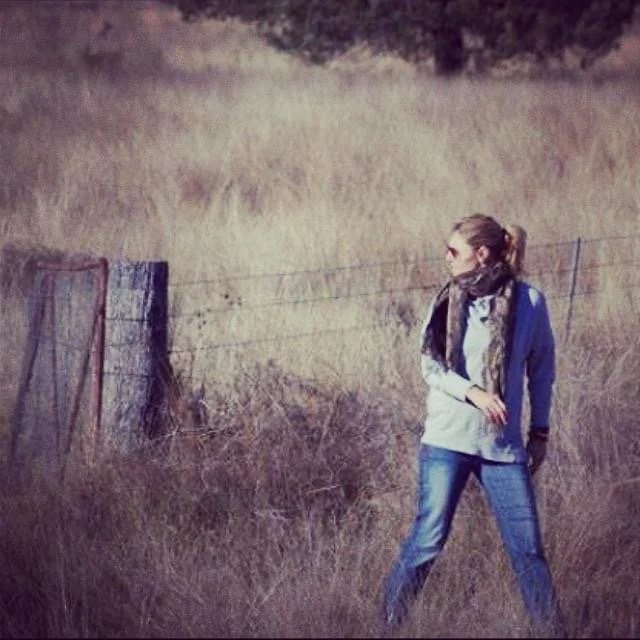
I grew up on Kilphysic, surrounded by land, seasons and a long line of women who quietly taught responsibility, resilience and care.
They did not call it leadership.
They called it getting on with what needed doing.
Long before I understood organisations, I understood systems.
Seasons.
Relationships.
Stewardship.
The knowledge that every choice travels beyond the person making it.
That way of seeing the world never left me.
I began my professional life as a writer and moved through advertising, creative direction, strategy, design, consulting and executive leadership.
Over the years I have worked alongside founders, leadership teams, governments, global businesses, not-for-profits and communities. I have led creative teams and large multidisciplinary practices, guided complex transformation and helped people find the idea, story or direction that could move their work forward.
I have never been especially good at accepting that something should continue simply because “that is how it has always been done.”
I like finding the thread.
Asking the awkward question.
Breaking a problem open.
Making complexity understandable.
Then helping people create something stronger from what we discover.
Beneath the changing titles and industries, the work has remained deeply human.
What matters here?
Who does this serve?
What are we asking people to believe?
Can we live with what we are creating?
When the work became personal
Alongside that career, I was raising two daughters, much of it as a solo parent.
I became very good at being the woman who could handle it.
For close to thirty years, I ran at 200 kilometres an hour. I built businesses, led teams, raised Eva and Hester, solved problems and kept things moving.
Capability became part of my identity.
From the outside, it often looked brave, independent and successful.
Inside, there were years when it simply felt necessary.
Life brought decisions and endings I had never planned for. I lost my mum far too young. I experienced redundancy and reinvention. My daughters grew up and began lives of their own.
Then came breast cancer.
Cancer changed my relationship with time, energy and the idea that we can keep postponing ourselves until everything else is taken care of.
The questions I had spent years exploring in organisations became impossible to avoid in my own life.
What actually matters to me?
What am I still carrying because I have always carried it?
Which parts of this life are truly mine?
What do I want the next thirty years to feel like?
I used to think reinvention meant becoming someone new.
Now I think it is often the process of removing enough noise to recognise yourself again.
That is what alignment means to me.
It is not a perfect state we finally reach. It is the continuing practice of knowing ourselves, understanding what matters and having the courage to live accordingly.
Why The Affection Economy exists
For decades, I watched organisations talk about values while creating systems that made those values difficult to live.
Care was treated as softness.
Kindness was confused with avoiding tension.
Growth was measured without asking what it cost the people expected to produce it.
I wanted to explore another way.
Affection, as I understand it, has teeth.
It is attention.
Care.
Accountability.
Responsibility in action.
It allows us to challenge what is not working without losing sight of the people inside it.
It asks us to care about more than what we achieve. It asks how we achieve it, what our choices create and whether the growth we pursue is something we can live with.
That inquiry became The Affection Economy.
It brings together the lessons of the farm, the boardroom, creative practice, leadership, motherhood, illness, loss and starting again.
It is the philosophy beneath the work I do today with individuals, leaders, workplaces and communities.
A few things I have done along the way
More than thirty-five years across creativity, strategy, design, leadership and transformation.
Co-founder of TEDxSydney.
Creative and strategic leadership across advertising, architecture, technology and management consulting.
Leadership of multidisciplinary teams and practices of more than eighty people.
Global advertising awards.
Australian Good Design Awards.
International awards judge, global speaker, adviser, facilitator and mentor to hundreds of people.
I include these because experience matters.
So does what we learn from living through the parts that never appear in a professional biography.
I bring both.
Writing, speaking, making and thinking
Writing has always been how I make sense of the world.
Sometimes an idea becomes an essay or a book. Sometimes it needs to be spoken in a room. Sometimes it emerges through a workshop, a drawing, a conversation or a difficult strategic problem.
Today I write, speak, facilitate, mentor, advise and make.
The Affection Economy, the Values Compass, the Five Acts, Storymaker, She Who Holds the Map, Studio Jet and my publications are different expressions of the same continuing inquiry:
How do we live in alignment with ourselves, each other and the world around us?
What I believe
Affection and accountability belong together.
Care is not the opposite of performance.
Kindness can hold courage, honesty and healthy tension.
Values only matter when they shape how we live, lead and choose.
Leadership is something we practise, not something we perform.
Culture is created through what we repeat, reward and permit.
Growth without care is not growth.
Success without alignment is simply performance.
People do not need fixing.
They need the space, structure and courage to hear what they already know.
Meaningful change begins when we come back to what matters.
I am a matriarch.
To me, matriarchy has never depended on age, motherhood or position.
It is a way of leading.
A matriarch notices what needs to be held. She protects what matters, tells the truth, carries knowledge forward and creates stronger ground for those coming behind her.
I believe every woman carries the capacity to be a matriarch.
Mother or not.
Young or old.
Leading a family, a workplace, a community, a movement or simply her own life.
Women have always been natural leaders. Much of that leadership has gone unnamed because it did not resemble the models of power we were taught to recognise.
It appeared as care.
Resourcefulness.
Courage.
Memory.
The ability to gather people, hold complexity and keep life moving.
I stand inside that lineage now.
I am a mother of two grown women. A writer. A strategist. A speaker. A mentor. A creative.
And a matriarch.
At this stage of my life, I am less interested in appearing to have everything worked out.
I am interested in living a life I recognise as mine.
In passing on what I have learned.
In making space for women to hear themselves, trust what they know and recognise the leader already within them.
That is where I stand now.